Sam tracks the best in movies, TV, and literature that he has consumed in the past year. Is one man's consumption habits worthy of your time? P.S. I have most of these books, if anyone wants one!
1. All the Light We Cannot See — Anthony Doerr (2014)

A blind girl reads Jules Verne as the Nazis bomb her seaside French town. A boy begrudgingly finds a role in the Nazi army as a radio technician. How their worlds interact is worth your time. The novel focuses on finding light in the darkness—a hopeful and sorrowful read. Story is king for me. This novel sits atop the throne.
2. Less — Andrew Sean Greer (2017)

A gay, marginal novelist gallops around the globe in order to avoid confronting his ex-lover's wedding. Greer shares the story of a silly man in a dashing suit who is sad but not defeated yet. This book is a fun travelogue with a hero you're rooting for.
3. Transit — Rachel Cusk (2016)
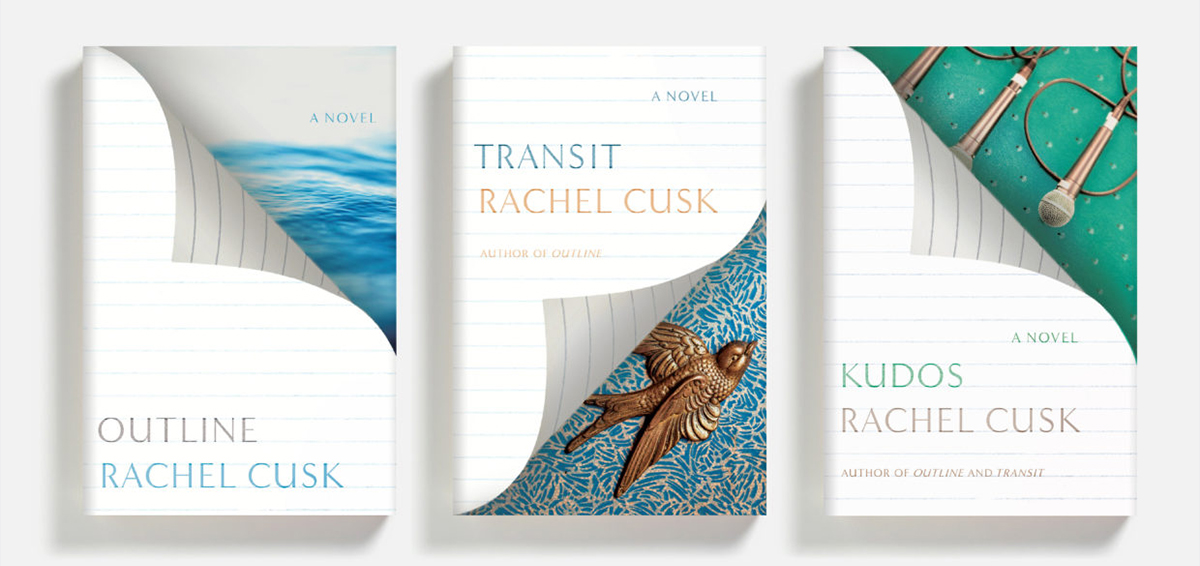
The second of a trilogy of sorts, Cusk writes first-person, semi-autobiographical musings during mundane periods of her life. Outline, the first installment and a favorite of mine from last year, is set in Greece during a summer she spent as a visiting writing professor. For Transit, the novel takes place in London throughout the renovation of the bungalow she shares with her two children. Cusk has a gift for taking the banal and analyzing the fuck out of it. Like in life, there aren't groundbreaking epiphanies from making coffee, but she offers subtle realizations from discussions with contractors or observing how other people discipline their children. These novels are generally light, and are good reads for the middle aged.
4. Midnight's Children — Salman Rushdie (1981)
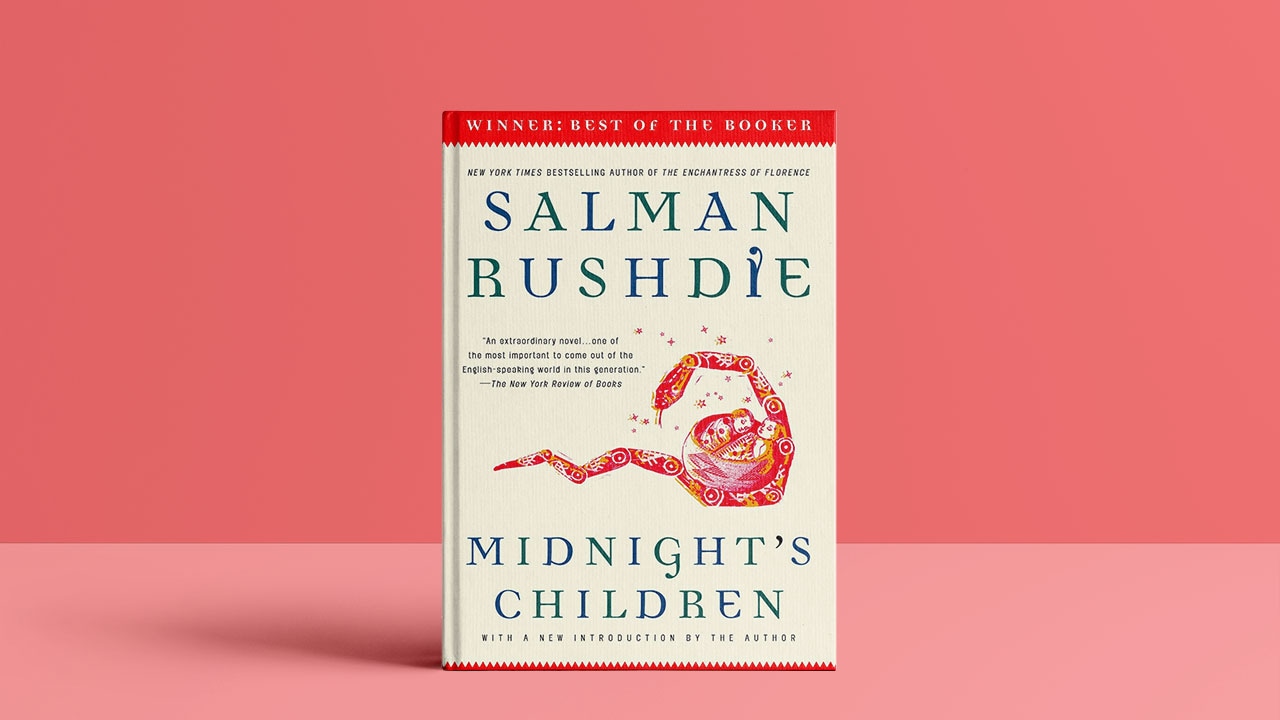
Every couple of novels, I try to read a more classical book from an author I've heard of but never read. Sometimes, these choices bite me because they are inevitably longer and harder to read. Though the length was true with Midnight's Children, the depth did not pain me. This funny, fantastical allegory (I think) follows the narrator's life, which he believes mirrors India's history. I love novels that make foreign worlds come alive, and this book paints vivid pictures of Kashmir, Mumbai, New Delhi, and a little bit of Pakistan, too. Other than a too long section about the military, this book is worth the time, as Rushdie's wit and symbolic language work on several levels.
5. The Glass Hotel — Emily St. John Mandel (2020)
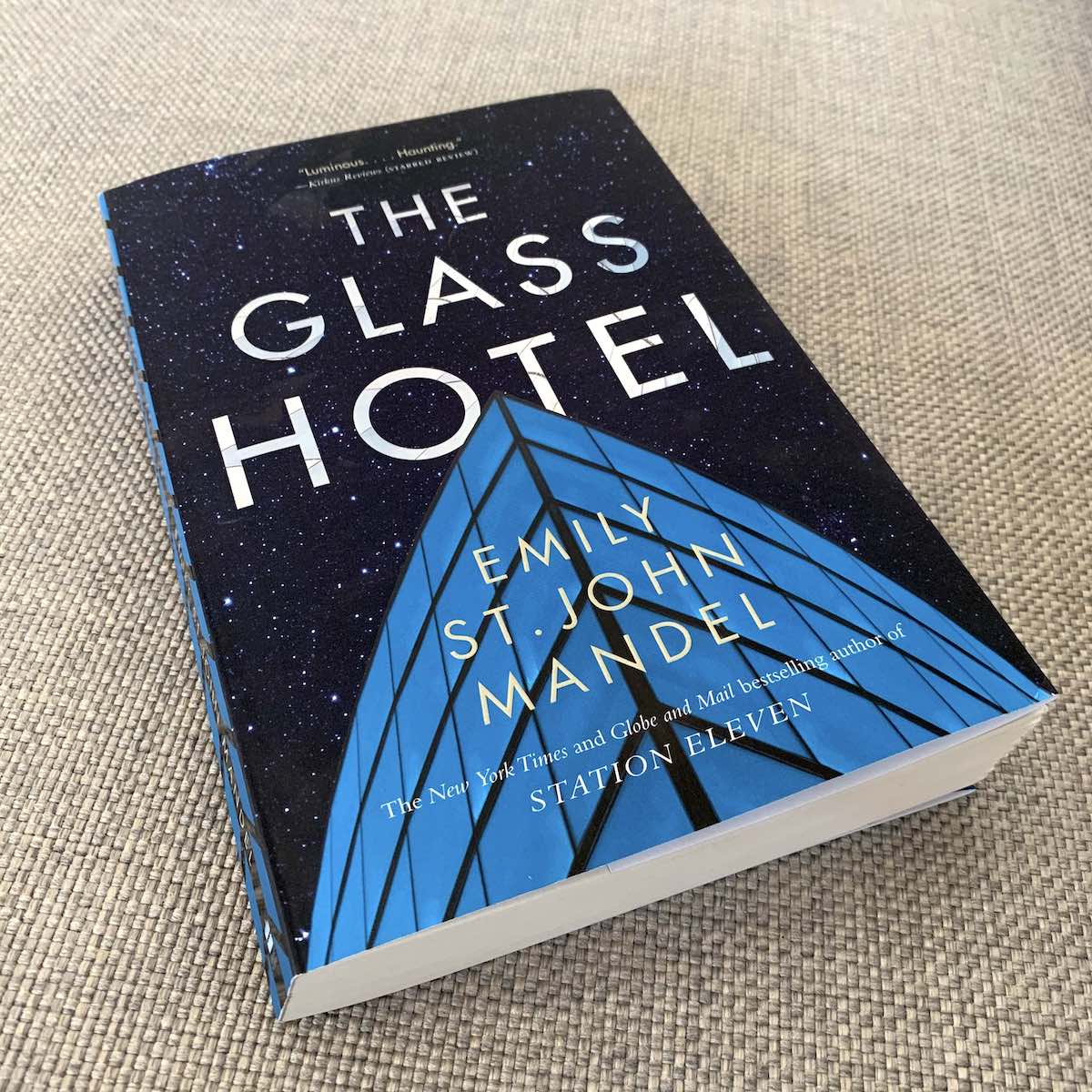
I hope this isn't recency bias, as I this was the last book I read for this year. This thriller balances multiple timelines and characters to look at how people react to flash points in their lives—do they become alcoholics or channel that adversity to fuel their ambition? There are great contrasts at play: rural Vancouver Island vs. New York City; high finance vs. a life at sea; avant-garde artists vs. salt-of-the-earth hotel clerks. The author can be fatalistic at times, but can live in the beauty of a moment, too.
Honorable Mention (no photos for Honorable Mentions)
The Long Call — Ann Cleeves (2019). Murder mystery set in an English vacation town, and it's not Broad Church!
The Rest (ordered by preference):
Your House Will Pay — Steph Cha (2019)
Shades of Grey: The Road to High Saffron — Jasper Fforde (2009)
Native Son — Richard Wright (1940)
The Overstory — Richard Powers (2018)
Tanking to the Top — Yaron Weitzman (2020)
White Noise — Don DeLillo (1984)
Bowlaway — Elizabeth McCracken (2019)

No comments:
Post a Comment